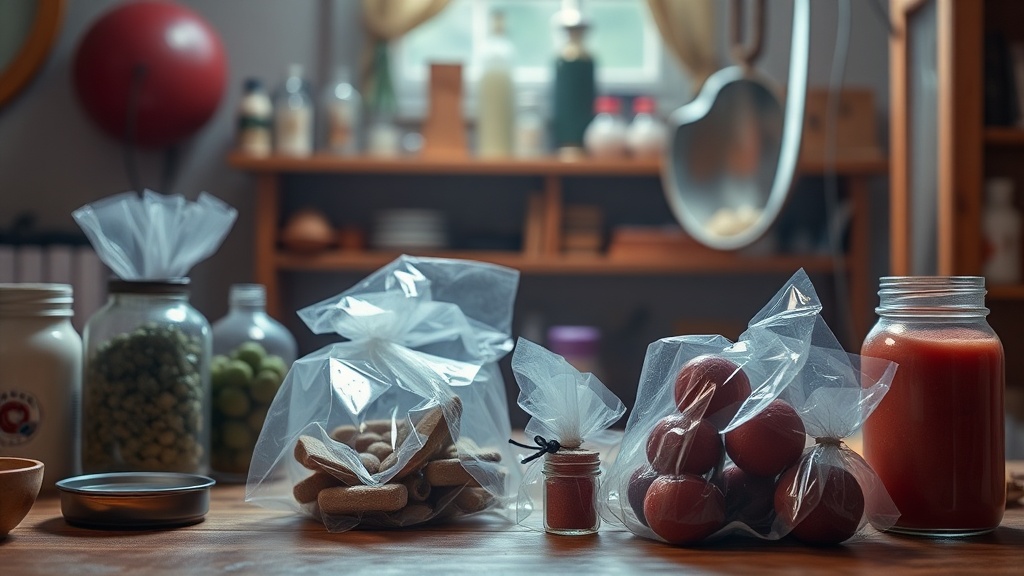
Preserving the Pristine Look of Vintage Plastic and Cellophane

Have you ever looked at a pristine, vintage action figure or a sealed Nintendo 64 game and wondered why the plastic looks yellowed or brittle compared to the ones you see in professional displays? This post explores the science behind plastic degradation and provides actionable methods for protecting your vintage collectibles from environmental damage. We'll look at how light, temperature, and chemical reactions affect everything from PVC to cellophane.
Why Does Vintage Plastic Turn Yellow?
The yellowing of vintage plastic is primarily caused by a chemical reaction called photo-oxidation, often triggered by UV light exposure and bromine flame retardants. When light hits certain types of polymers, it breaks the chemical bonds within the material. This isn't just an aesthetic issue; it's a sign of structural decay. Many collectors of high-end toys or vintage electronics see this most often in white or light-colored plastics.
Bromine is a frequent culprit in older electronics and toy manufacturing. It was used as a flame retardant to meet safety standards, but it has a nasty habit of reacting with light to create that distinct yellowish tint. You might see this on older consoles or even the casing of vintage high-end tech. It's a slow process, but once it starts, it's hard to stop.
The environment plays a massive role here. If you keep your collection in a room with direct sunlight, you're essentially fast-tracking the aging process. Even indirect UV rays can cause damage over time. It's a subtle thief of value.
If you're serious about preservation, you need to understand the different types of materials you're handling. A single piece of "plastic" could be anything from high-density polyethylene to a fragile polystyrene. For a deeper dive into how materials age, the Wikipedia entry on polymer degradation offers a great technical baseline.
The Three Main Enemies of Plastic Collectibles
- Ultraviolet (UV) Radiation: The most aggressive factor. UV rays break down polymer chains, leading to discoloration and brittleness.
- Thermal Fluctuations: Rapid changes in temperature cause materials to expand and contract. This can lead to cracks in rigid plastics or warping in softer ones.
- Atmospheric Pollutants: Ozone and various gases in the air can react with certain plastics, causing "off-gassing" or surface dullness.
How Do I Prevent Cellophane Shrinkage and Cracking?
Preventing cellophane damage requires maintaining a stable, low-humidity environment and avoiding direct contact with heat sources. Cellophane is a highly sensitive material that reacts quickly to changes in its surroundings. Unlike the harder plastics of the box itself, cellophane is prone to "shrink-wrapping" or becoming brittle and snapping if the conditions aren't controlled.
I've seen many collectors lose significant value on a "sealed" item because the cellophane has become brittle and develops "cracks" or "tears" just from being handled. It’s heartbreaking. The plastic loses its elasticity over time. This is why many people move toward using acrylic protectors or "protectors" for their most valuable items. If you haven't already, you should look into selecting the right storage solutions for high-value video game collections to keep that outer layer safe.
One thing to watch out for is the "scent" of old plastic. If you open a box and it smells "sour" or "chemical," that's a sign of off-gassing. This is a red flag that the material is breaking down. It's not just a smell; it's a warning. The plastic is literally shedding molecules into the air.
Here is a quick comparison of how different environments affect your collection:
| Environment Factor | Effect on Hard Plastic (ABS/PVC) | Effect on Cellophane/Soft Film |
|---|---|---|
| High Heat | Can cause warping or "melting" look. | Causes shrinkage and tightens/cracks. |
| Direct Sunlight | Causes yellowing and brittleness. | Causes rapid fading and structural failure. |
| High Humidity | Can lead to mold or surface stickiness. | Can cause bubbling or peeling. |
| Low Humidity | Minimal impact unless extreme. | Makes the film brittle and prone to snapping. |
What Is the Best Temperature for Storing Collectibles?
The ideal temperature for storing plastic-heavy collectibles is a constant 65°F to 72°F (18°C to 22°C) with a stable humidity level. Drastic swings in temperature are much more dangerous than a slightly higher, steady temperature. If you're storing items in a way that causes them to cycle through heat and cold, you're inviting structural failure.
Don't rely on a standard basement or attic for storage. Basements are often too damp, which invites mold and can make certain plastics feel "tacky" or sticky. Attics are far too hot. A controlled indoor room is your best bet. If you're storing high-value items, a dedicated climate-controlled space is the gold standard.
The moisture level is just as important as the temperature. Aim for a relative humidity (RH) of around 40% to 50%. If the air is too dry, the cellophane on your vintage games might become brittle. If it's too damp, you're asking for trouble with mold and even the cardboard packaging. It's a delicate balance.
A common mistake I see is collectors using airtight plastic bins for long-term storage without realizing that the items inside are still "breathing." If you trap moisture inside a bin, you're creating a micro-climate that can ruin your items. It's better to use breathable, high-quality storage or ensure the air inside the container is truly dry before sealing it.
For those who want to get serious about their display, you might want to look into setting up your home display shelving to ensure your items are stable and not subject to vibrations or leaning, which can stress the plastic over time.
Practical Tips for Long-Term Preservation
- Use UV-Filtering Acrylic: If you display your items, use display cases that feature UV-resistant acrylic or glass. This blocks the most harmful wavelengths.
- Avoid "The Heat Source": Never place a display near a radiator, a window, or a gaming console that vents heat. The localized heat can be devastating.
- Check Your Humidity: A simple digital hygrometer is a cheap way to keep an eye on your storage environment. It's a small investment for a big payoff.
- Handle with Care: Even with gloves, the oils from your skin can be slightly acidic. While it's mostly an issue for metal, it can affect certain finishes on plastic-coated surfaces.
The goal isn't just to keep the item looking good today, but to ensure it holds its value ten years from now. A yellowed, cracked, or warped item is a much harder sell on the secondary market. It's about protecting the integrity of the piece.
If you're looking at a piece that's already showing signs of yellowing, don't panic. While you can't truly reverse chemical changes in the polymer, you can certainly prevent the process from accelerating. Keeping the item in total darkness and a stable temperature will stop the clock from ticking quite so fast.
Many collectors spend years hunting for that one perfect, pristine item. It's a lot of work to find them, so it's worth the effort to keep them in top shape. Whether it's a rare Pokémon card in a plastic slab or a pristine Star Wars figure, the rules of chemistry remain the same. Respect the material, and it'll respect your investment.