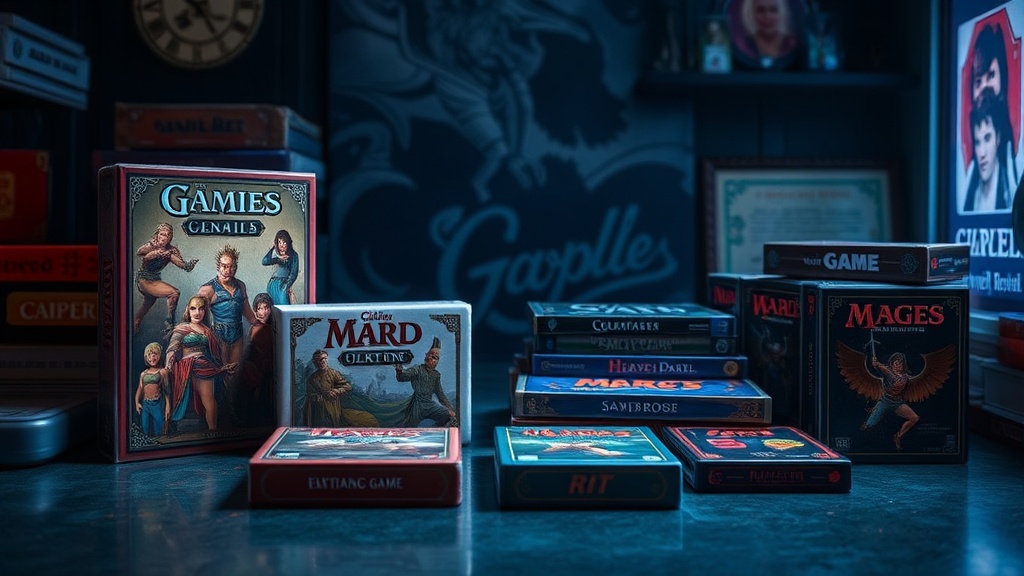
Expanding Your Curated Sealed Game Collection: Unearthing Overlooked Editions

Imagine you're surveying your collection, a shelf filled with pristine, factory-sealed games—perhaps a cherished childhood title, a modern limited run, or a high-profile release. While the thrill of acquiring a widely sought-after piece is undeniable, there’s a distinct satisfaction in unearthing the less obvious, the quietly significant. This article isn't about chasing the biggest names or the most hyped releases; it’s about refining your collector’s eye to spot sealed games that might be overlooked by the masses but hold unique value, historical relevance, or simply offer a fresh avenue for collection growth. We'll explore strategies for discovering these hidden gems, understanding what makes them valuable, and where to reliably find them to truly diversify and enrich your sealed games portfolio.
What types of overlooked sealed games offer collection value?
The quest for unique sealed games often begins by shifting focus from mainstream popularity to nuanced distinctions. Consider regional variants, for instance. A game released in North America (NTSC) might have an entirely different packaging or even content — though rare for sealed — in its European (PAL) or Japanese (NTSC-J) counterpart. These differences can range from subtle changes in box art, different publisher logos, or even variations in rating systems, making specific regional sealed copies more scarce in certain markets. Collectors often focus on their native region, leaving other territories ripe for discovery. A PAL version of a cult classic RPG, sealed, could be a significantly rarer find than its NTSC equivalent.
Beyond geographical distinctions, delve into the world of budget re-releases or "Greatest Hits" editions. While initially seen as less desirable than their first-print counterparts, time can surprisingly alter their standing. Some of these re-releases had significantly smaller print runs than the original, or perhaps were released late in a console’s life cycle, making pristine sealed copies exceptionally difficult to locate years down the line. A sealed PlayStation 2 Greatest Hits title, though once ubiquitous, might today represent a quiet rarity, particularly if it was a less popular game that had a final, small budget run. The key here is scarcity over initial hype.
Think also about console-specific bundles or promotional copies that initially flew under the radar. Many games were bundled with consoles or peripherals, often in unique packaging not sold separately. A sealed game that was only available as part of a limited-time console bundle, for example, represents a distinct piece of history that a standalone copy simply cannot. Similarly, promotional copies—though often marked "Not for Resale"—can sometimes be found sealed, presenting a fascinating artifact of a game’s marketing cycle. These items weren't intended for mass retail as standalone units, contributing to their inherent rarity in a sealed state.
Finally, keep an eye out for limited print runs from smaller, independent publishers. In the age of digital distribution, physical releases often cater to niche markets or are produced in very finite quantities. These games might not carry the same brand recognition as a AAA title, but their physical scarcity, especially sealed, can make them incredibly desirable to a dedicated collecting community. The packaging itself might even differ, offering unique cover art or additional printed materials that distinguish them from standard editions. Often, these small-batch productions become highly coveted years later when their initial limited availability becomes a stark reality for those trying to complete a collection.
Where can collectors reliably find these unique sealed editions?
Finding these overlooked sealed games requires a broader search strategy than simply browsing the major online retailers. Online marketplaces, while often bustling with activity, demand a more refined approach. Beyond basic searches on platforms like eBay, utilize advanced filtering options—search by region, specific publisher, or even unique keywords that might appear on budget re-release packaging (e.g., “platinum hits,” “greatest hits,” “classic”). Setting up automated search alerts for specific titles or keywords can also notify you immediately when a potentially rare variant appears. Engaging with specialized collector forums or online communities can also yield results, as members often trade or sell unique items amongst themselves, sometimes before they hit wider public marketplaces.
Don't underestimate the enduring power of local game stores—especially independent ones. Building relationships with owners and staff can give you an edge. They might receive trade-ins that include older, less common sealed titles, or they might even have a back stock of forgotten inventory. Let them know your specific interests; a good relationship can turn into an informal alert system for new acquisitions. Consignment sections in these stores can also be a goldmine, featuring items from other collectors who are thinning out their own stashes.
For the truly adventurous, estate sales, flea markets, and antique shops can be veritable treasure troves. This is where the "diamond in the rough" hunt truly comes alive. While the odds might be lower, the rewards can be significant. Many non-specialist sellers don't grasp the nuanced value of sealed video games, particularly obscure variants or older budget releases. A sealed copy of a relatively unknown game found at a garage sale for a few dollars could, with proper identification, turn out to be a surprisingly valuable acquisition. It requires patience and a keen eye, but the thrill of discovery in these settings is unparalleled.
Finally, consider online auction houses that aren't exclusively focused on video games. General auction sites or even specialized collectibles auctions (not just those for graded games) can sometimes feature entire collections or lots that include sealed games. These sales might attract fewer dedicated video game collectors, potentially leading to less competition and better prices. It's about thinking creatively about where such items might end up and expanding your search perimeter beyond the obvious gaming-centric channels.
How does one authenticate a genuinely rare sealed game?
Authenticating a sealed game, particularly one you suspect is rare or overlooked, is paramount. The primary challenge lies in distinguishing factory seals from reseals. Factory shrinkwrap typically exhibits specific characteristics: look for tight, uniform seals, often with Y-folds or H-seals (where the plastic is folded and heat-sealed in a Y or H pattern on the back). Reseals, conversely, often feature loose, uneven plastic, straight seams, or cruder heat-seals. Examine the plastic itself for signs of tampering, excessive dust *under* the plastic, or obvious wrinkles that suggest an amateur reapplication. Genuine factory plastic often has a certain feel and thickness that experienced collectors learn to recognize.
Cross-referencing UPCs and EANs (barcodes) is another critical step. Websites like