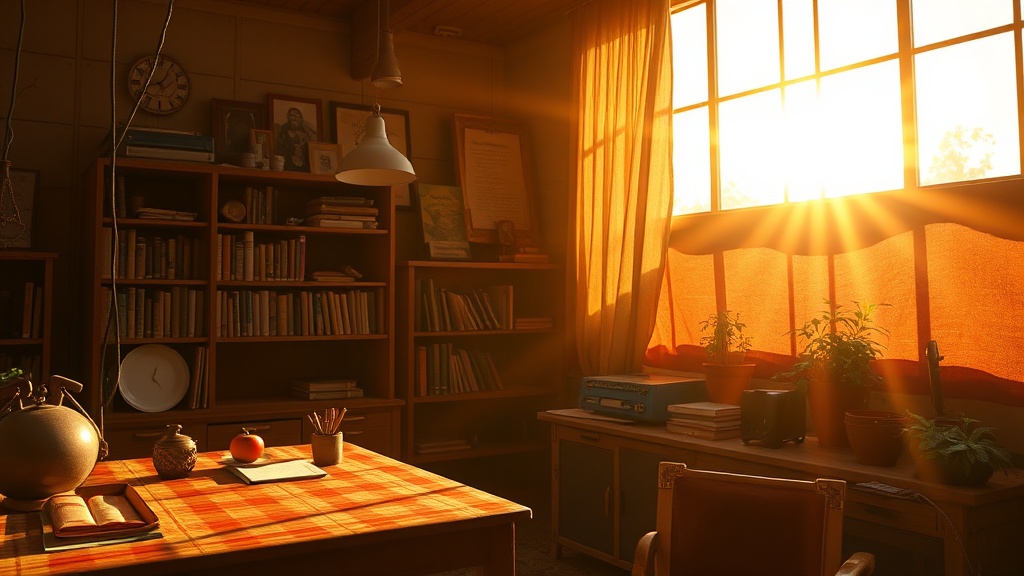
Avoid Direct Sunlight on Your Collection

Quick Tip
Keep your displays away from windows to prevent UV-induced fading and material brittleness.
Direct sunlight is the single greatest threat to the long-term value of your gaming collectibles. This post explains how UV radiation destroys plastic, paper, and ink, and how you can protect your investment.
Why Does Sunlight Damage Collectibles?
Sunlight causes photochemical degradation, which breaks down the chemical bonds in the materials that make up your collection. This isn't just about heat—it's about UV radiation. Even if your room feels cool, the light itself is doing the work.
Most high-end collectibles, like Funko Pops, Pokémon booster boxes, or vintage Nintendo hardware, rely on specific pigments and polymers. When UV rays hit them, you'll see several things happen:
- Color Fading: Bright reds and deep blues are often the first to go.
- Plastic Brittleness: The clear PET or PVC used in toy packaging becomes yellowed and brittle.
- Ink Bleeding: Cardboard surfaces on graded cards (like those in PSA or CGC slabs) can suffer from discoloration.
If you've ever noticed a "yellowed" look on an old NES console, that's a classic sign of UV-induced oxidation. It's a permanent change. You can't "un-yellow" plastic once the polymer chains have been damaged.
How Can I Prevent UV Damage?
The best way to prevent damage is to keep your collection in a controlled, low-light environment away from windows. You don't need a professional vault, but a little common sense goes a long way.
If you display your items in glass cabinets, be aware that standard glass offers very little protection against UV rays. You might want to look into ultraviolet radiation properties of different materials if you're serious about a high-end display.
Here is a quick checklist for a safe display setup:
- Use UV-Protective Film: Apply a window tint to any windows in your gaming room.
- LED Lighting Only: Avoid incandescent bulbs, which emit heat and certain light spectrums that can degrade items.
- Opaque Cabinetry: Using solid wood or metal cabinets keeps the items hidden when not in use.
- Acrylic Shields: While they help with dust, they don't block UV. Pair them with a dark room.
I actually wrote about how to keep dust away from your acrylic cases, but remember that dust-free doesn't mean light-free. A perfectly clean case sitting in a sunbeam is still a recipe for a faded collection.
Does the Temperature Matter?
Yes, because heat often accompanies sunlight and accelerates the chemical breakdown of materials. High temperatures can also cause "shrink wrapping" issues where the plastic tightens too much on the product.
| Material Type | Common Reaction to Heat/Light |
|---|---|
| PVC (Figures) | Sticky residue or "leaching" |
| Paper (Cards/Boxes) | Yellowing and structural weakness |
| Acetate (Vintage Packaging) | Cracking and extreme brittleness |
Keep your display area stable. A sudden spike in temperature from a sun-drenched shelf can cause even the most durable plastics to warp or off-gas. It's better to be safe than sorry—especially when the resale value is on the line.